Fascisterne: Meaning, History, and Modern Relevance
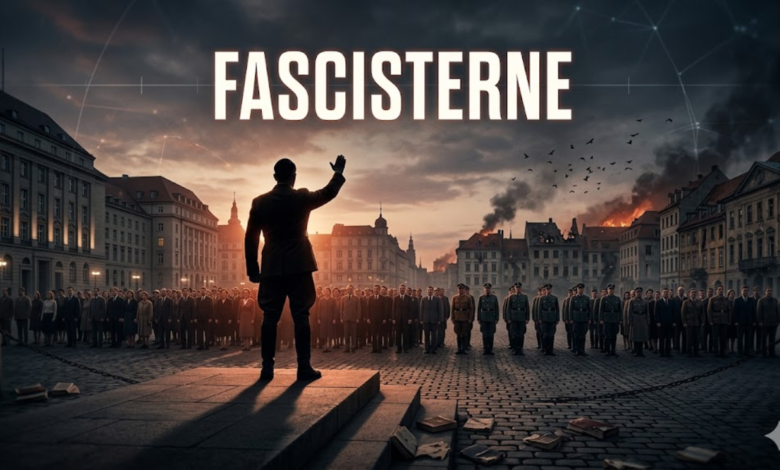
The word fascisterne often appears in discussions about politics, history, and global conflicts but what does it actually mean? For many people, it feels like a heavy and complex term tied to dark moments in history. Understanding fascisterne is important not only for learning about the past but also for making sense of how political ideas are discussed today.
In simple terms, fascisterne refers to people or groups associated with fascism an extreme political ideology that shaped some of the most impactful events of the 20th century.
What Does “Fascisterne” Mean?
The term fascisterne comes from the word “fascism,” a political system that promotes strong centralized power, strict control, and intense nationalism. It first emerged in Europe in the early 1900s, especially after World War I, when many countries were facing economic and political instability.
Fascism rejected democracy and individual freedoms, focusing instead on unity under a powerful leader. People described as fascisterne were typically supporters or members of such movements.
Historical Background
The rise of fascisterne is closely tied to early 20th-century Europe. After World War I, many nations were struggling, creating conditions where extreme ideologies could grow.
In Italy, Benito Mussolini established the first fascist regime in 1922. His leadership promoted nationalism, strict authority, and control over society.
Soon after, similar ideas spread to Germany under Adolf Hitler. His version of fascism, known as Nazism, led to one of the most devastating conflicts in human history World War II.
Between 1939 and 1945, this global war caused the deaths of an estimated 70–85 million people, highlighting the destructive consequences of extremist political systems.
Key Characteristics of Fascisterne
People associated with fascisterne typically supported systems with the following features:
- Authoritarian leadership: Power concentrated in one leader
- Extreme nationalism: Strong focus on national identity above all else
- Control of media and society: Strict regulation of information and public life
- Suppression of opposition: Political opponents were often silenced or punished
These characteristics made fascist regimes highly controlling and resistant to criticism.
Real-World Examples & Case Studies
Italy Under Mussolini
Italy became the first fascist state in the 1920s. Mussolini’s government controlled the press, limited freedoms, and promoted expansionist policies. While it initially brought stability, it eventually led to economic struggles and military failure.
Germany Under Hitler
Germany under Hitler is one of the most well-known examples linked to fascisterne. The regime controlled nearly every aspect of life and was responsible for the Holocaust, in which approximately 6 million Jews were killed.
These examples show how fascist systems can evolve into highly destructive regimes.
Fascisterne vs Other Ideologies
To better understand fascisterne, it helps to compare fascism with other systems:
- Democracy: Focuses on freedom, elections, and citizen rights
- Communism: Aims for class equality and shared ownership
- Fascism: Prioritizes national unity, authority, and centralized power
Unlike democracy, fascism limits personal freedoms. And unlike communism, it does not aim for equality but rather strong national identity and control.
Modern-Day Usage
Today, the term fascisterne is sometimes used in political debates, often as criticism rather than a precise definition. In many cases, it can be misused to label opponents unfairly.
However, there are still small groups and movements that reflect neo-fascist ideas. These are usually studied carefully by historians and political experts to understand their impact and prevent harmful outcomes.
Why Understanding Fascisterne Matters
Learning about fascisterne is not just about history it has real value today:
- Educational importance: Helps us understand major global events
- Political awareness: Encourages critical thinking about power and leadership
- Preventing misinformation: Reduces misuse of political terms
By understanding these ideas, people can better recognize and challenge harmful ideologies.
FAQs
What is fascisterne in simple terms?
Fascisterne refers to people who support or are associated with fascism, a political system based on strong leadership and strict control.
Is fascism still present today?
While not widespread, some small groups still promote similar ideas, often referred to as neo-fascism.
What is the difference between fascism and Nazism?
Nazism is a form of fascism that includes racial ideology and was practiced in Germany under Hitler.
Why is fascism considered dangerous?
It limits freedom, suppresses opposition, and has historically led to violence and war.
How is the term used today?
It is often used in political discussions, sometimes inaccurately, to criticize others.
Conclusion
Understanding fascisterne gives us a clearer picture of one of history’s most powerful and dangerous political ideologies. From its rise in early 20th-century Europe to its lasting impact on global history, fascism has shaped the modern world in significant ways.
By learning about fascisterne, we not only understand the past but also gain the tools to think critically about political ideas today.